smoked fish
This story comes from Nick Hillard who had a deep connection with his Grandpa through their shared love of sea food
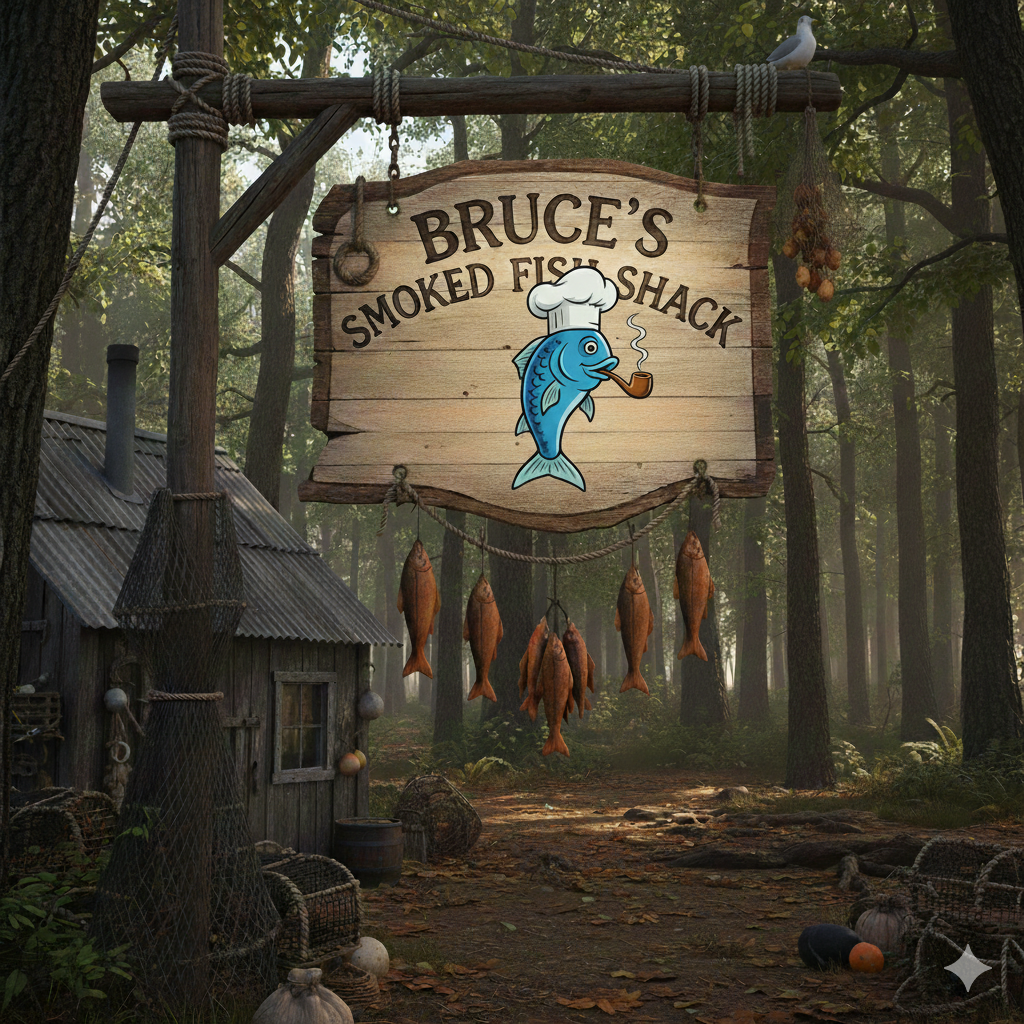
fish and family
Something more specific
He didnt know it at the time but his last meal with his Grandfather would have a connection to thier entire Relationship. Nicks love of sea food started with sharing smoked fish with his grandpa at the age of four the same snack he would share with him the last time he saw him alive.
Analysis: Smoke, Memory, and Belonging
Looking back at my food story, what becomes clear is how profoundly food can transcend something as simple as taste. Eating the smoked fish wasn’t really about how much I enjoyed the flavor; it was about the feeling of bonding and belonging I shared with my grandfather. This connects to an idea we discussed in class: food often carries deeper meaning, and the sharing of food pathways can create greater understanding between people. In many ways, food becomes a language, a way to communicate emotions and stories that words alone cannot fully capture.
These emotional connections are closely tied to memory. For me, smoked fish and seafood in general will always be inseparable from memories of my grandpa. The smell of smoke, the salty taste, even the way the fish flakes apart instantly brings me back to moments spent with him. These memories are not just something I hold privately; they are experiences I hope to share with the important people in my life. When I offer someone smoked fish someday, or even tell them the story of those meals, I am passing along a piece of my history. In that way, food becomes a way to keep my grandfather’s presence alive, allowing his influence to continue across time and relationships. Food also provides a shared experience, a tangible way to invite others into one’s personal history, creating connections that might not happen in any other way.
This connection across time naturally leads into the multigenerational nature of food. Recipes, habits, and tastes travel through families, sometimes changing and sometimes staying exactly the same. My grandfather shared smoked fish with me because someone once shared it with him, and one day I might pass that same tradition down. In this way, food becomes a thread connecting generations carrying memories, values, and culture long after the people themselves are gone. Sharing food, in its simplest form, allows generations to communicate indirectly, teaching lessons about care, love, and heritage without a single spoken word.
Yet these personal and familial experiences of food exist within a broader context shaped by industrialization. Bruce’s Fish Shack isn’t located near the ocean, yet many of the fish he smokes aren’t native to Michigan. Without refrigeration and modern transportation, access to such a variety of fish would have been impossible. Even the detail of wrapping the fish in newspaper carries cultural significance, echoing traditions found in English fish-and-chip shops. It raises the question of how and why that practice found its way to northern Michigan, blending local adaptation with global culinary influences.
Industrialization is closely tied to commercialization, which further shaped my food memory. The crackers we ate alongside the smoked fish were Nestlé Clubhouse crackers an item almost universally recognizable by brand, packaging, and taste. No matter where you buy them, they are consistent. That consistency is part of what commercialization offers: a predictable, standardized food experience that becomes woven into family moments. Even though the smoked fish came from a small, local shack, it was paired with a mass-produced product found in grocery stores across the country. This combination of local tradition and commercial brand-name food shows how modern eating often mixes personal heritage with globalized, widely distributed products.
Finally, the significance of this food experience reaches its deepest meaning in reflection on my grandfather’s final meal. There was an unofficial ceremony in the last time he shared smoked fish with me. At the moment, it seemed like just another meal, and I didn’t realize the significance of what he was doing. Looking back, it’s clear that he knew his life was nearing its end and that sharing that fish was his way of passing something on to me. It was only after his passing that I understood the quiet intention behind that final meal. In that moment, food became more than tradition or taste—it became a lasting connection, a memory of his love and presence that I carry with me every day. That single shared meal now stands as a symbol of our bond, a testament to the way simple acts of care can hold profound meaning.
In the end, this simple meal of smoked fish reveals how food can connect people, carry history, and reflect broader cultural and industrial changes. What seems like an ordinary snack becomes a window into memory, tradition, and the ways our food pathways shape who we are, how we understand others, and how we continue family stories across generations. Food, in all its flavors and forms, is a bridge across time, a thread connecting the past, present, and future through shared experience, memory, and love. It is through food that we remember, honor, and pass on the intangible parts of ourselves.